
Finance · 11
The Little Book of Common Sense Investing
John C. Bogle
Investors as a group earn the market's return minus their costs, so whoever pays the least keeps the most.
Five questions this book answers, each in a short piece. Read them, or listen as every word lights up.

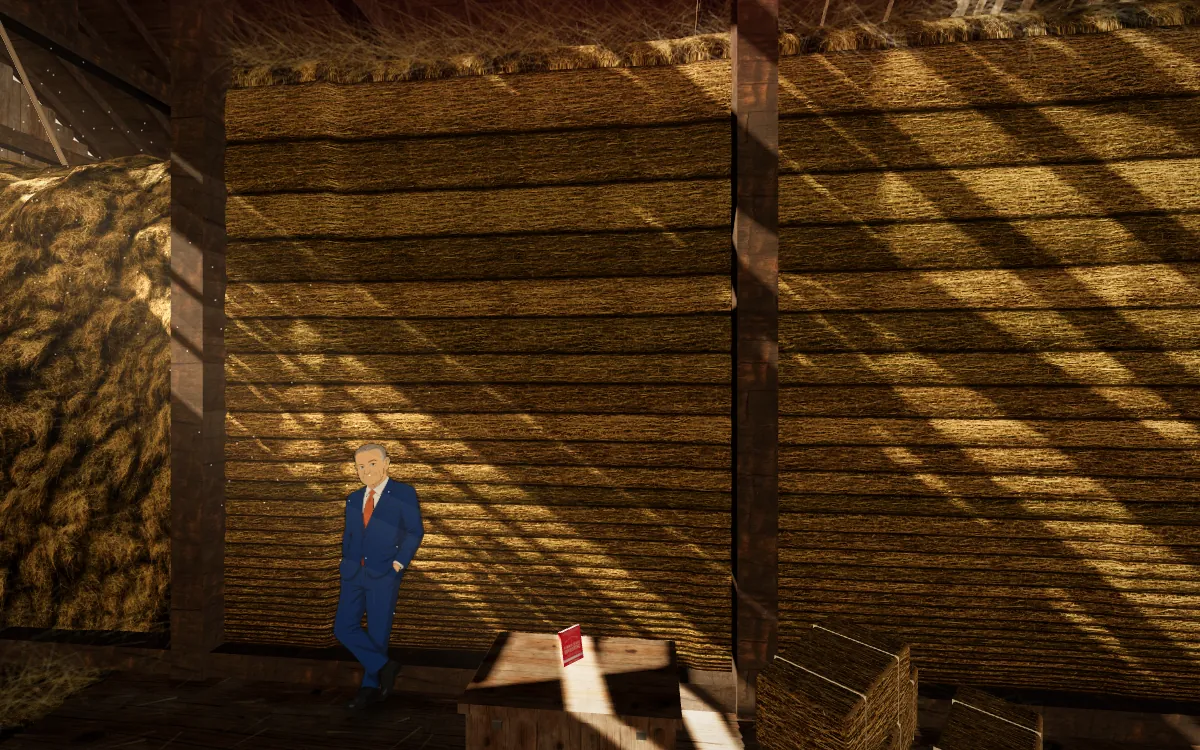
The cut face
Each harvest on the last
A share is a small part of a business. Some of its profit comes back as dividends, and a dividend that buys more shares earns dividends of its own.
The underwriters' counsel bought $15,000 of the first index fund in its 1976 offering. Forty years later, with its payouts buying more shares along the way, the holding was worth $913,340.
In the cut face each year's hay lies on the last, the bands widening toward the top.
Somewhere in the hay
The needle
In Bogle's count, 355 equity funds were running in 1970. By the end of 2016, 281 had disappeared. Ten had beaten the S&P 500 by more than a point a year.
Finding yesterday's winner doesn't give you yesterday's returns.
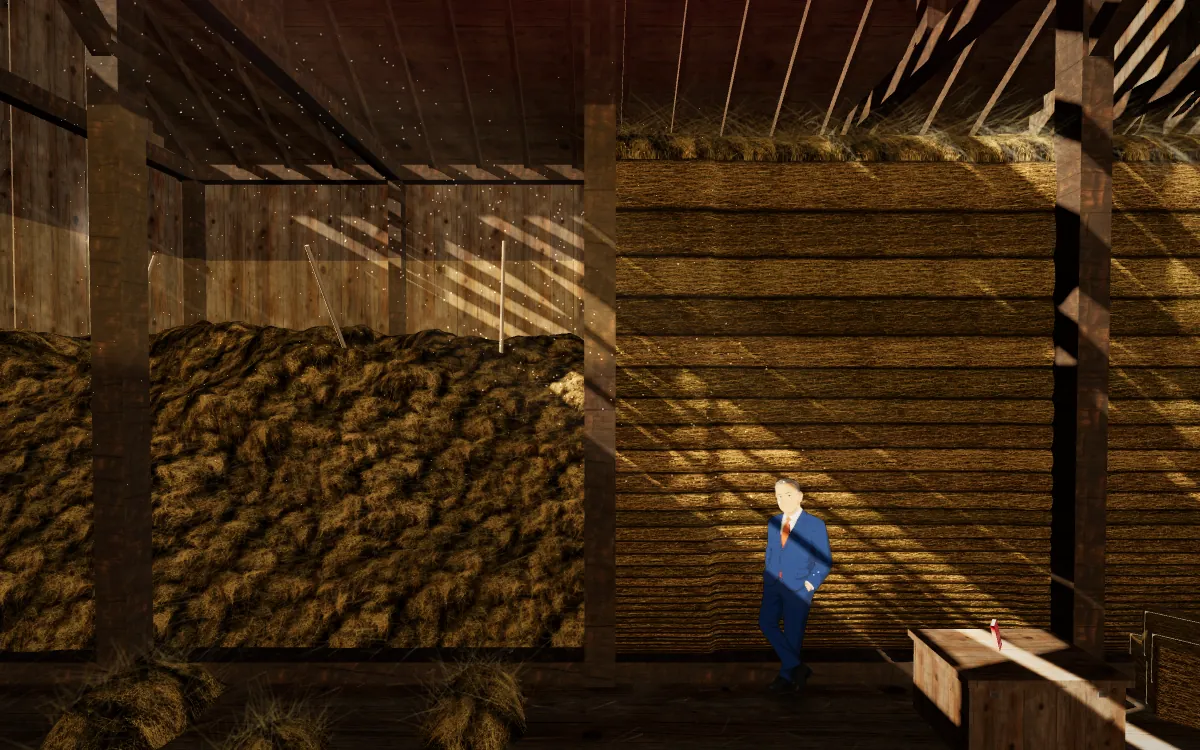
A darning needle, threaded red, lies among the stems in a bar of sun.

The search
Every forkful costs
In the parable Bogle adapts from Warren Buffett, the Gotrocks family owns every share of every American company. Some cousins hire brokers to trade for them, then managers to pick stocks, then consultants to pick the managers.
Each layer charges. The family still owns the same businesses and keeps about 60 percent of what they return.
The searched stack now stands at six tenths of the whole one.
The whole stack
Buy the haystack
A broad index fund owns the whole market and charges little for it. It never has to find the next exceptional manager, and it keeps nearly all of the market's return.
Its owner still carries the market's risk, losses included.
From the floor, the whole stack rises over him, untouched.
The five questions
Five questions, one barn
In the order the book argues them.
- If you're investing for decades, why can a booming market make future gains harder to earn, and what actually compounds your wealth?What a rising market cannot promiseBogle separates the growth of a business from the price investors pay for it, revealing what a long-term wealth projection assumes.
- Over a working lifetime, why can small fees and taxes consume so much of your gains, and who benefits from keeping you active?The small charge that keeps compoundingBogle follows investment returns through paid helpers, recurring costs and taxes to show what remains for the owner.
- When past performance is your evidence, how can you judge skill versus luck without letting the search for winners make your own returns worse?What a winning record leaves outPast winners deserve a harder test, and the search for them can change the return you earn.
- With limited time to manage money, how can you tell whether an 'index' fund simplifies your life or turns you into a speculator?What work does your index fund leave you?Holdings, weights, costs and trading choices reveal whether a fund reduces decisions or creates more of them.
- When your savings must eventually replace your paycheck, how do you balance growth and safety without relying on a forecast you cannot trust?When your portfolio has to pay the billsBogle builds a retirement plan around spending needs, tolerable losses and room to adjust when markets disappoint.
Sundown
What the stack is for
When savings have to pay the bills, Bogle discusses taking four percent of the capital in the first year. After a poor market he favors spending less, and a good year's excess goes back to work.
Start with question oneBuy the book

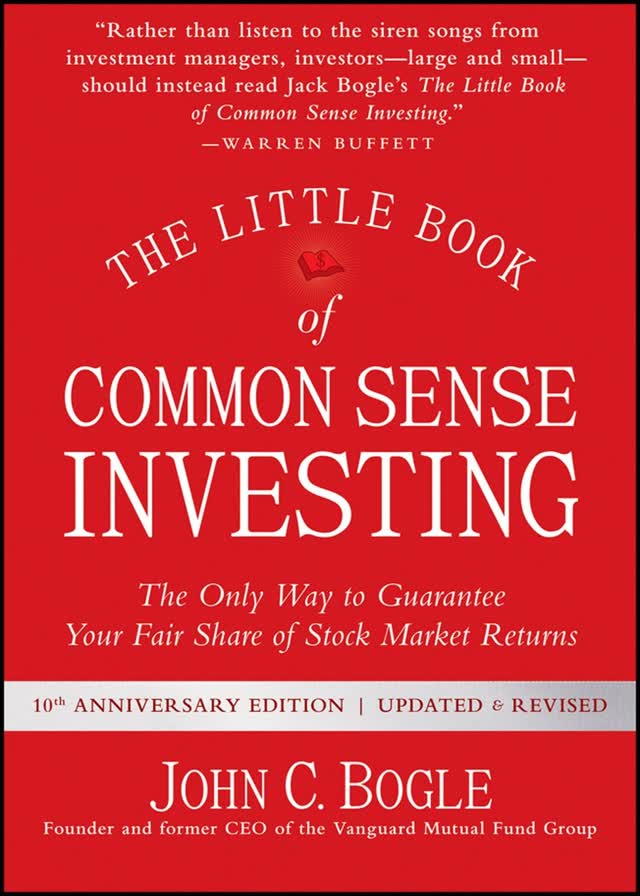
Published by Wiley. Cover shown to identify the book. John C. Bogle drawn as an editorial caricature.