Finance · 09
The Essays of Warren Buffett
Warren Buffett
Judge a business as a lasting owner would, by the cash it can return and the people who run it.
Five questions this book answers, each in a short piece. Read them, or listen as every word lights up.
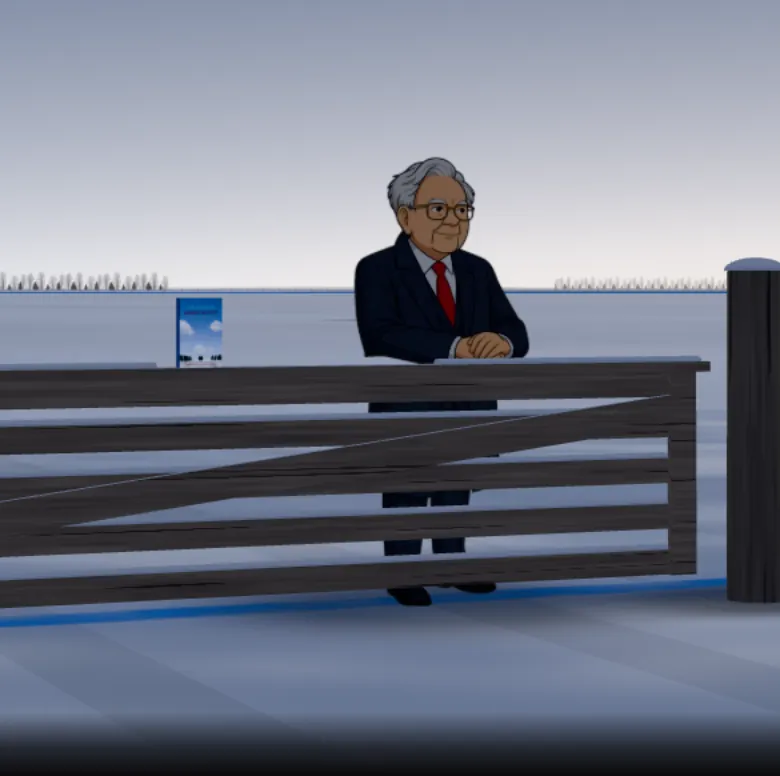
The fence is the business.The blue line is the owner's claim.
The five questions
In the order the book argues them.
The same savings, more land
A share gives you partial ownership of a business. If its earning power remains intact, a falling price lets each dollar buy more of it.
Owner earnings
Not all of the harvest is yours
Owners can take out what remains after paying real costs and keeping the business competitive and financially sound. Buffett calls that estimate owner earnings.
Room to work
The manager has the field
At GEICO, Berkshire freed Tony Nicely from analyst presentations and quarterly earnings expectations so he could run the insurer. Excess cash went to headquarters, which compared opportunities across Berkshire.
Growth
A bigger farm, a smaller claim
A family owns 120 acres. A neighbor with 60 acres joins as an equal partner. The farm grows to 180 acres, and the family's half amounts to 90.
The farm grew by half. The family lost a quarter of its claim.
Reserves
Kept for a bad year
Some of Berkshire's insurance payments support injured people for fifty years or more. Berkshire held Treasury bills at low yields so that money would be there when it was due.
The essays
The owner's view, in his own words
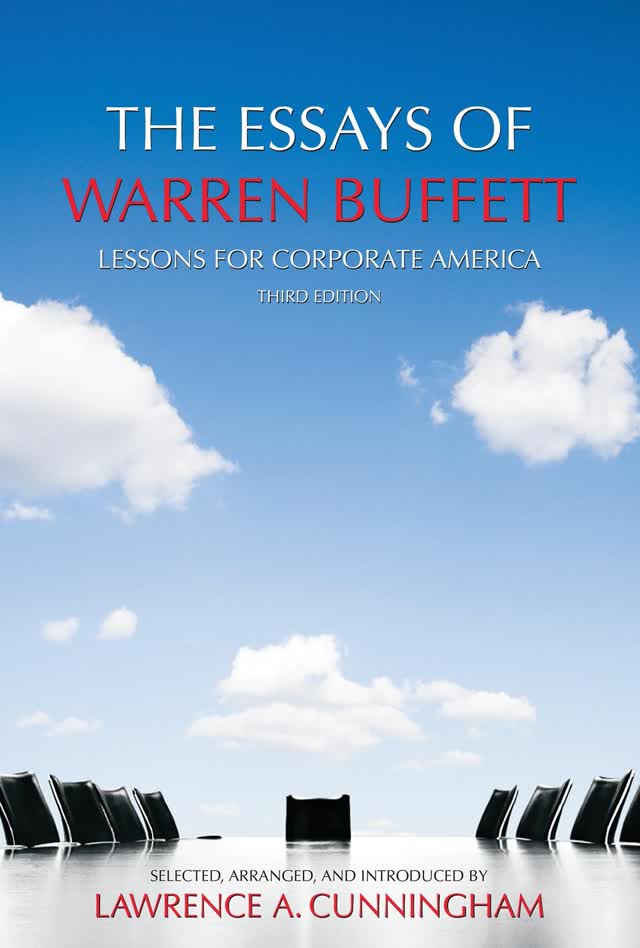
Lawrence A. Cunningham selected these essays from Buffett's letters and arranged them by subject.
Start with question oneBuy the book
Published by Carolina Academic Press. Cover shown to identify the book. Warren Buffett drawn as an editorial caricature.