Finance · 08
Reminiscences of a Stock Operator
Edwin Lefèvre
Being right about the market pays only if you can afford to wait and can admit when you are wrong.
A trader's story, told here through one ticker tape. Five questions, each answered in a short piece to read or hear.
Start with question oneBuy the book
The five questions
In the order the book argues them.
Guiana Gold
The price fell before the reason arrived
Guiana Gold had prestigious sponsors and kept paying dividends, yet its price kept falling. Livingston read the weakness as a warning. Reports of disappointing ore explained it later.
As a boy he wrote each prediction in a notebook before the tape could prove it.
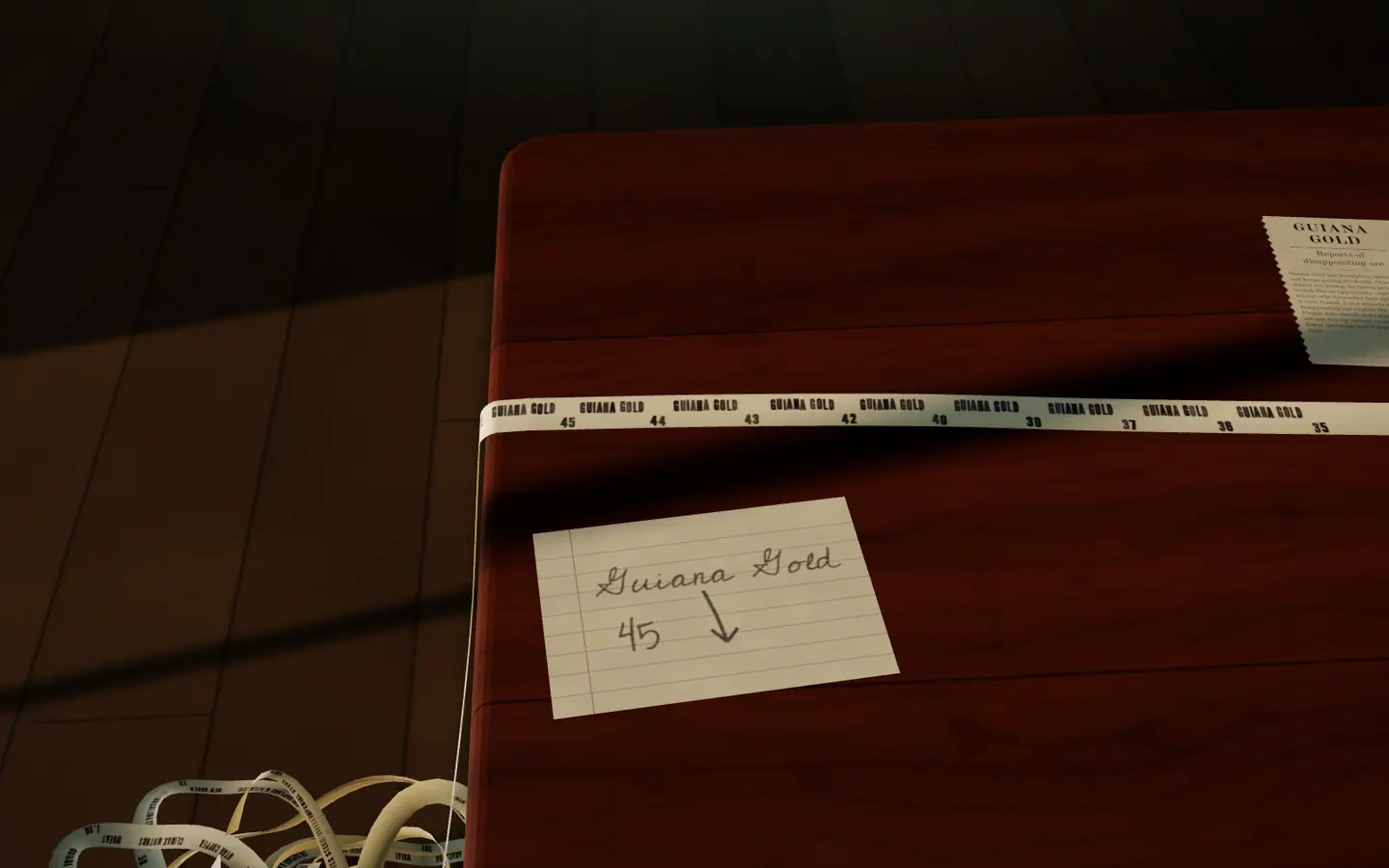
May 9, 1901
Both moves came. His money did not last.
He predicted a collapse and then a recovery. Both happened. The tape ran behind the market, his orders filled far from the prices he saw, and by the time he had traded both moves his stake was gone.
The ticker prints on whether or not you are still holding the tape.
Sitting through it
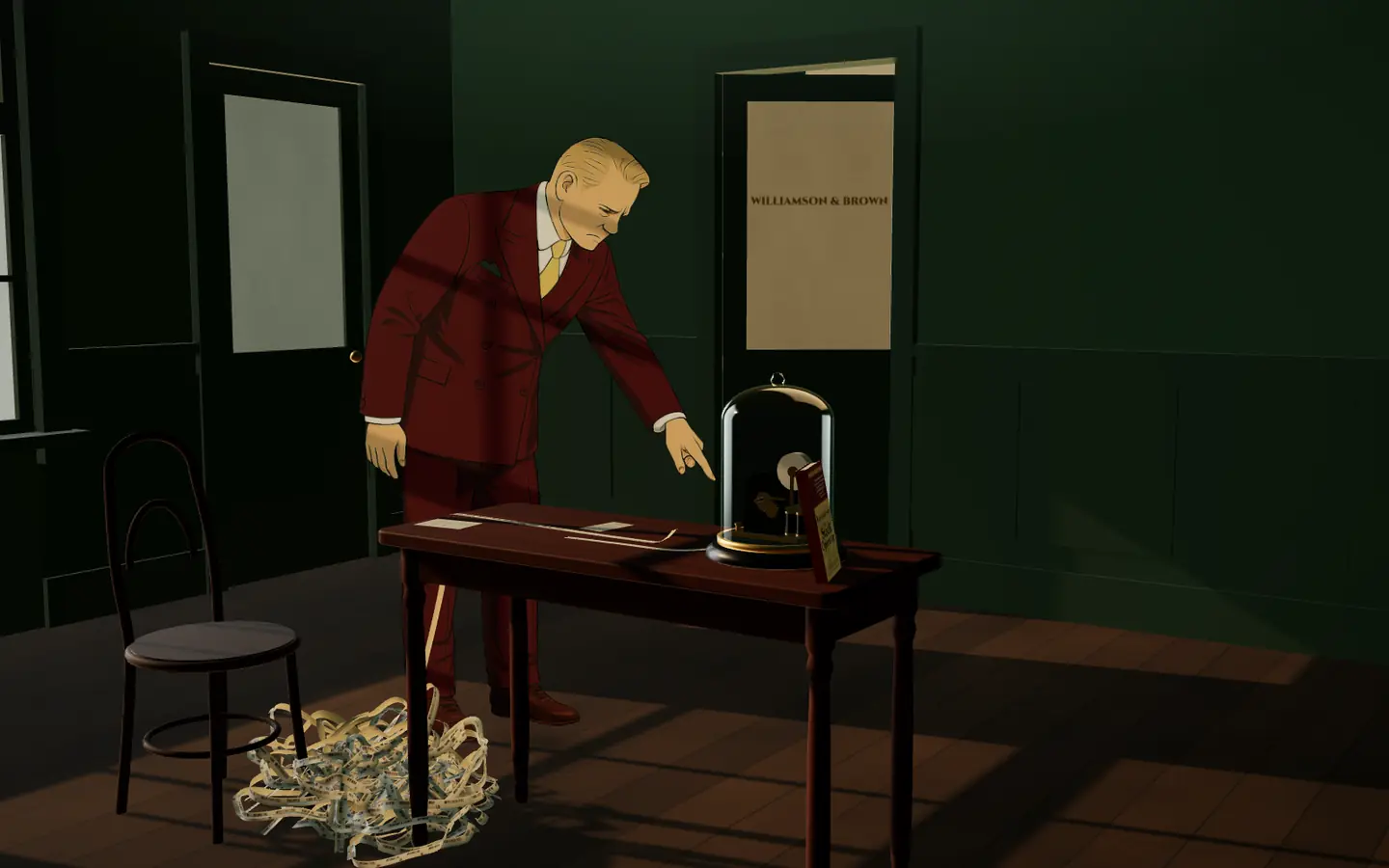
Patience needs a reason that still holds
Old Partridge would not sell his Climax Motors ahead of an expected dip, because it was a bull market. Livingston learned to sit through lost paper profits while the larger move held, and to close a trade that kept contradicting him.
He treated the closed loss as a paid bill.
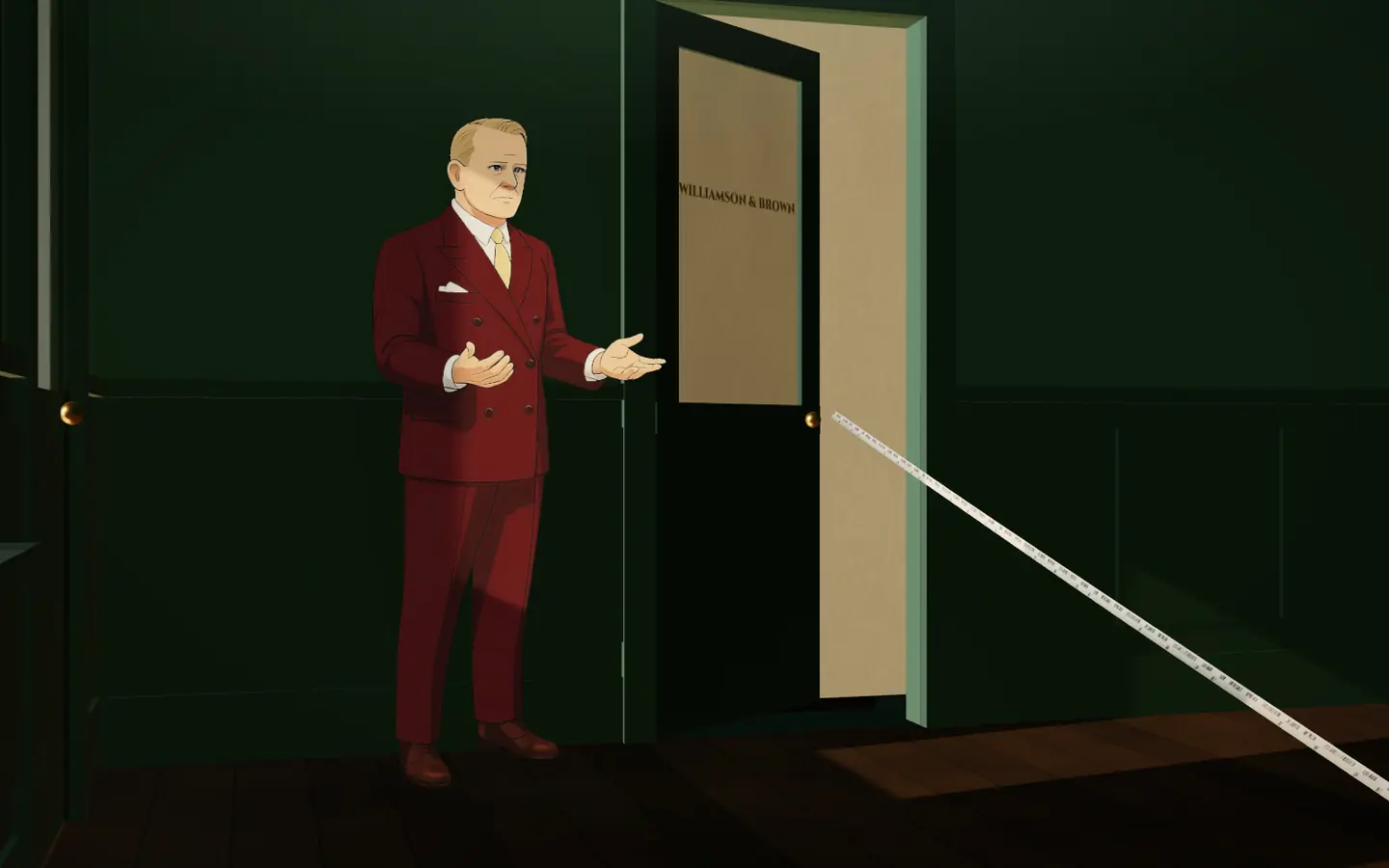
Williamson & Brown
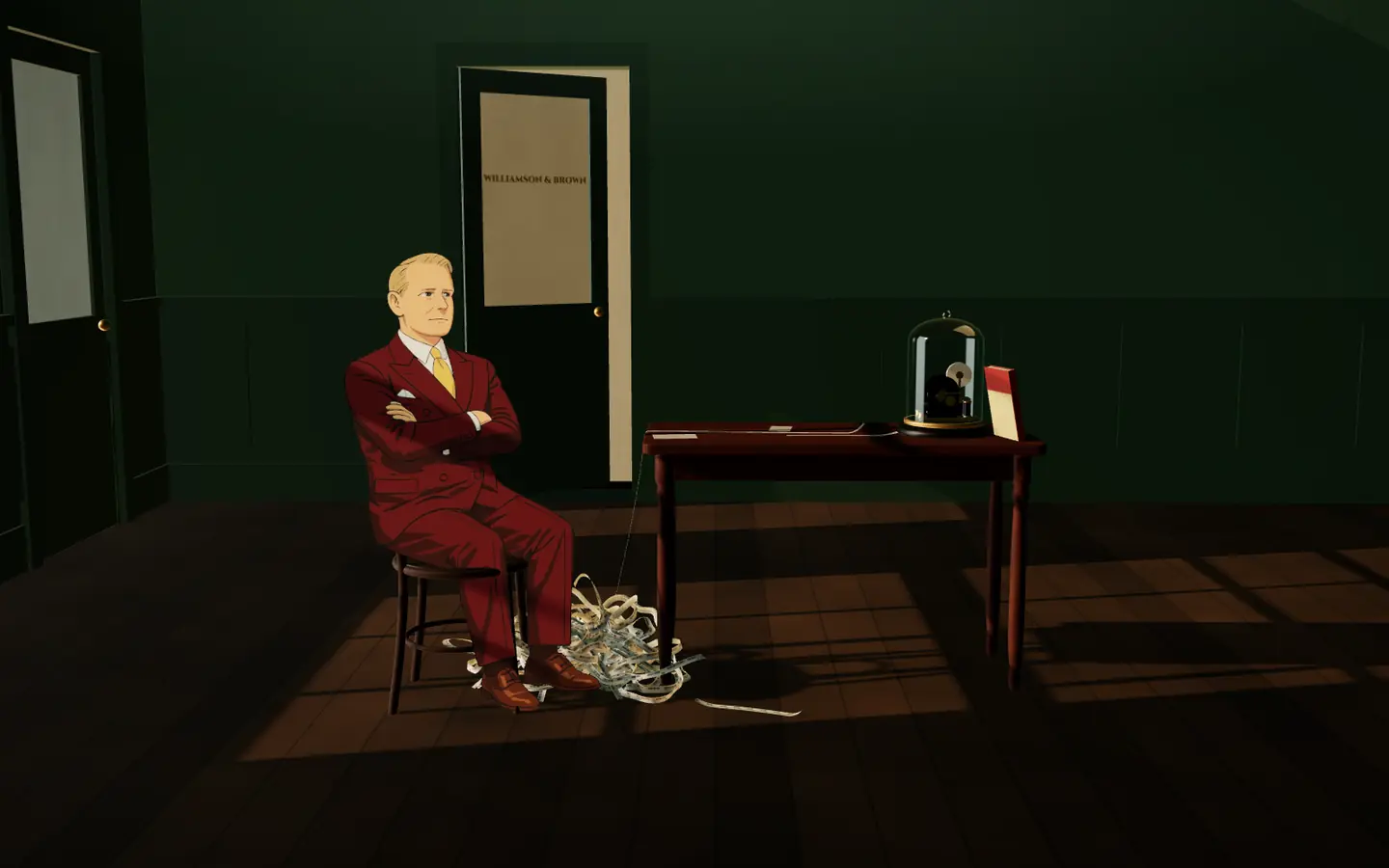
A favor took his trading out of his hands
Daniel Williamson gave him twenty-five thousand dollars to trade with. Three weeks later Livingston had made a hundred and twelve thousand. Gratitude kept him there even after Williamson reversed one of his trades before telling him.
Consolidated Stove
The rise did the selling
Buyers expected Livingston to push Consolidated Stove higher. Their orders let him sell the bank's entire block before he had bought a single share.
By the time the crowd agrees that a stock is going higher, the seller it admires may already be leaving.
The tape runs on
Read the five questions
Start with question oneBuy the book
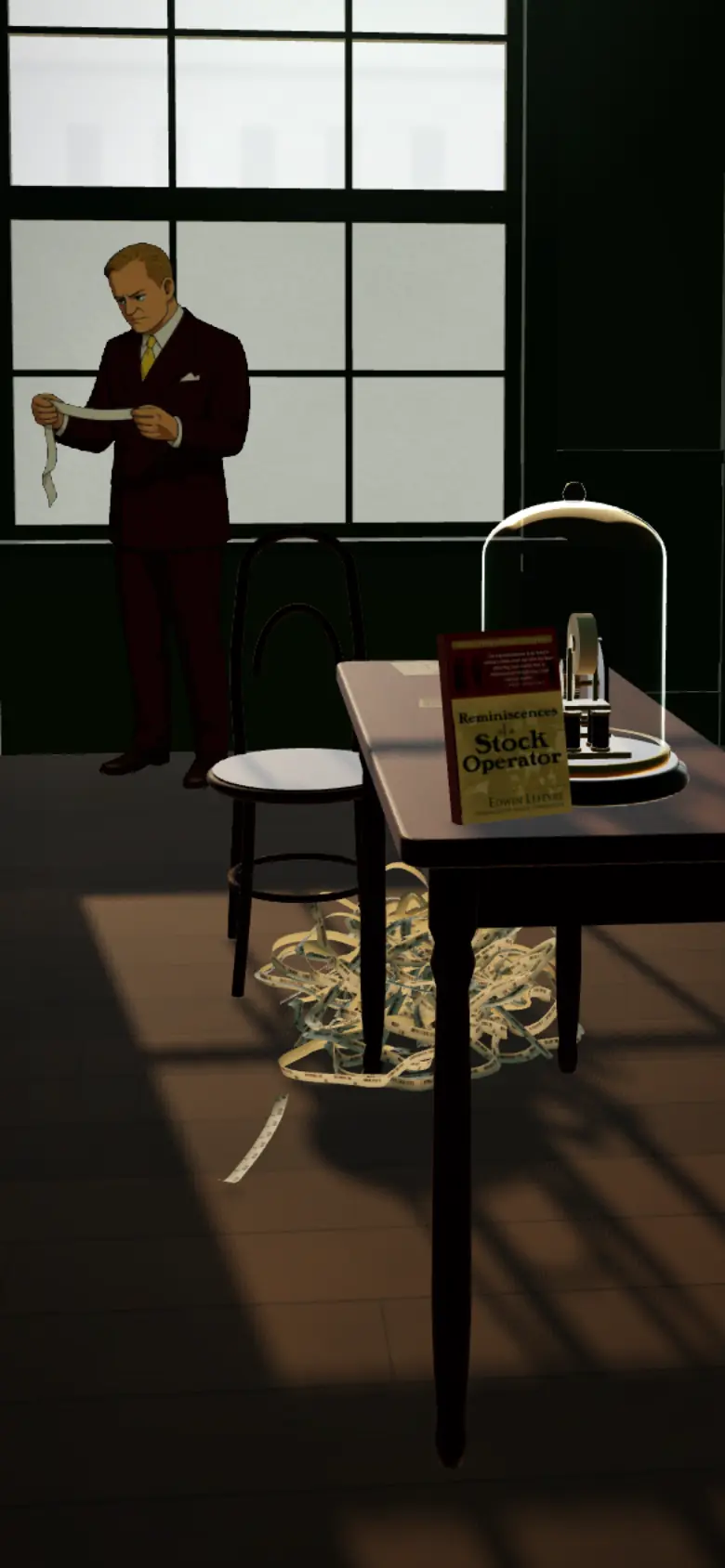
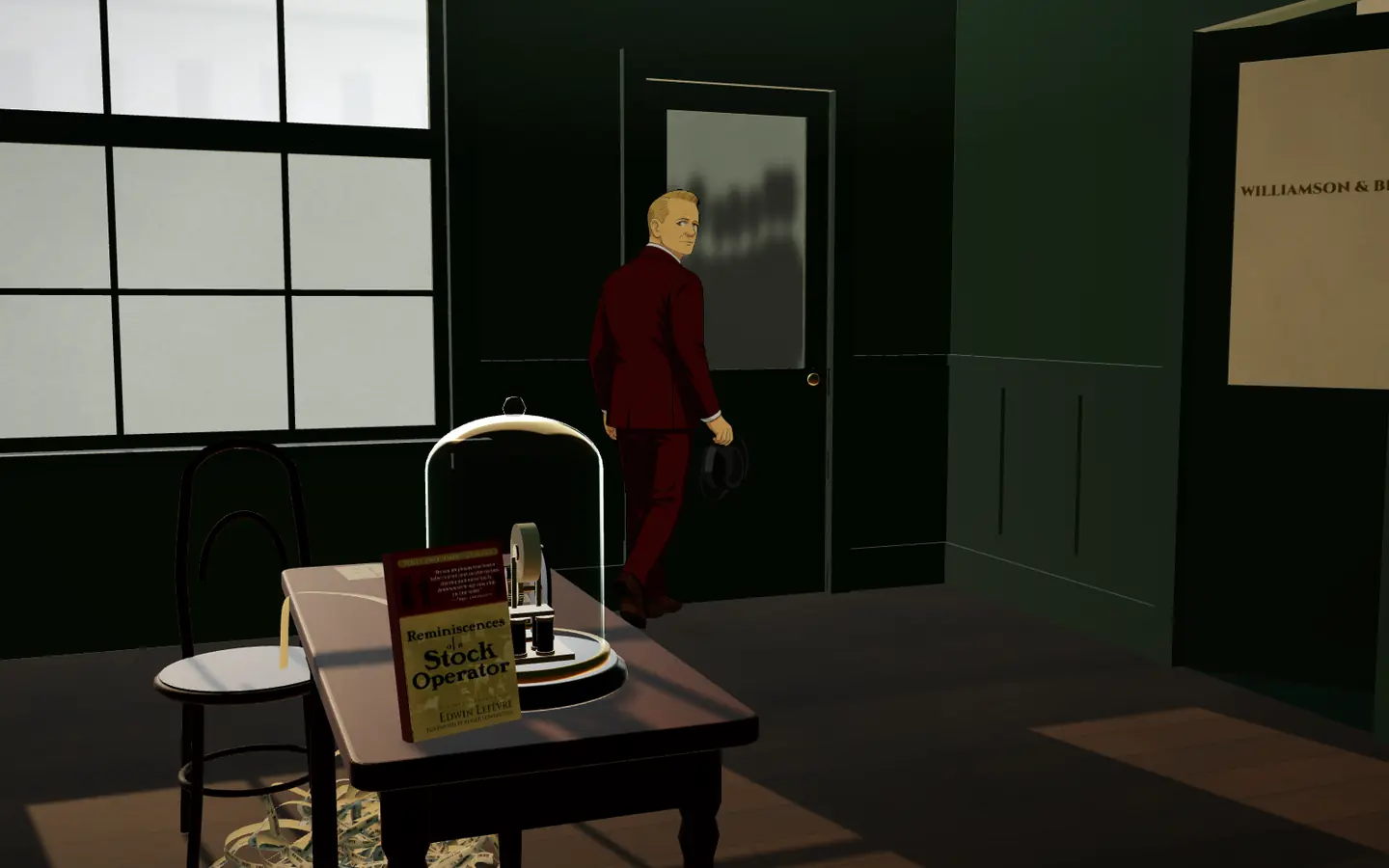
Published by Wiley. Cover shown to identify the book. Jesse Livermore, whose story it tells, drawn as an editorial caricature.