
Finance · 13
The Psychology of Money
Morgan Housel
Doing well with money depends more on how you behave under pressure than on how much you know.
A night at a hotel valet stand, where everyone looks at the cars. Five questions, each answered in a short piece to read or hear.
The valet stand
Everyone looks at the car
While parking luxury cars at a Los Angeles hotel, Morgan Housel dreamed of owning one to show he had made it. When a guest drove in, he pictured himself behind the wheel.
The owner barely entered the thought.

The man in the car
The onlooker sees himself
Housel calls this the man in the car paradox. The buyer may read the attention a car draws as respect for its owner. The onlooker is more likely imagining the attention he would get from owning it.
Kindness, empathy and humility, Housel argues, earn respect more directly.
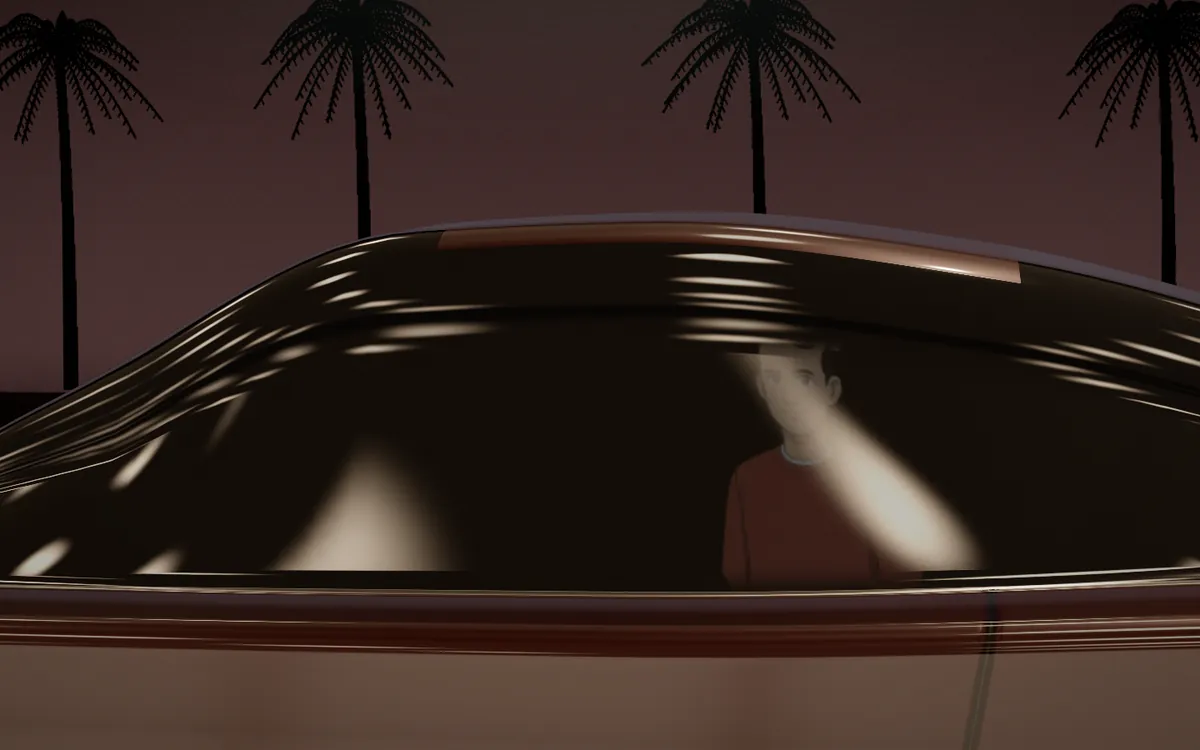
Roger
Then the Porsche was gone
One young guest, whom Housel calls Roger, drove a Porsche that prompted assumptions about his success. It was repossessed after he defaulted on the loan.
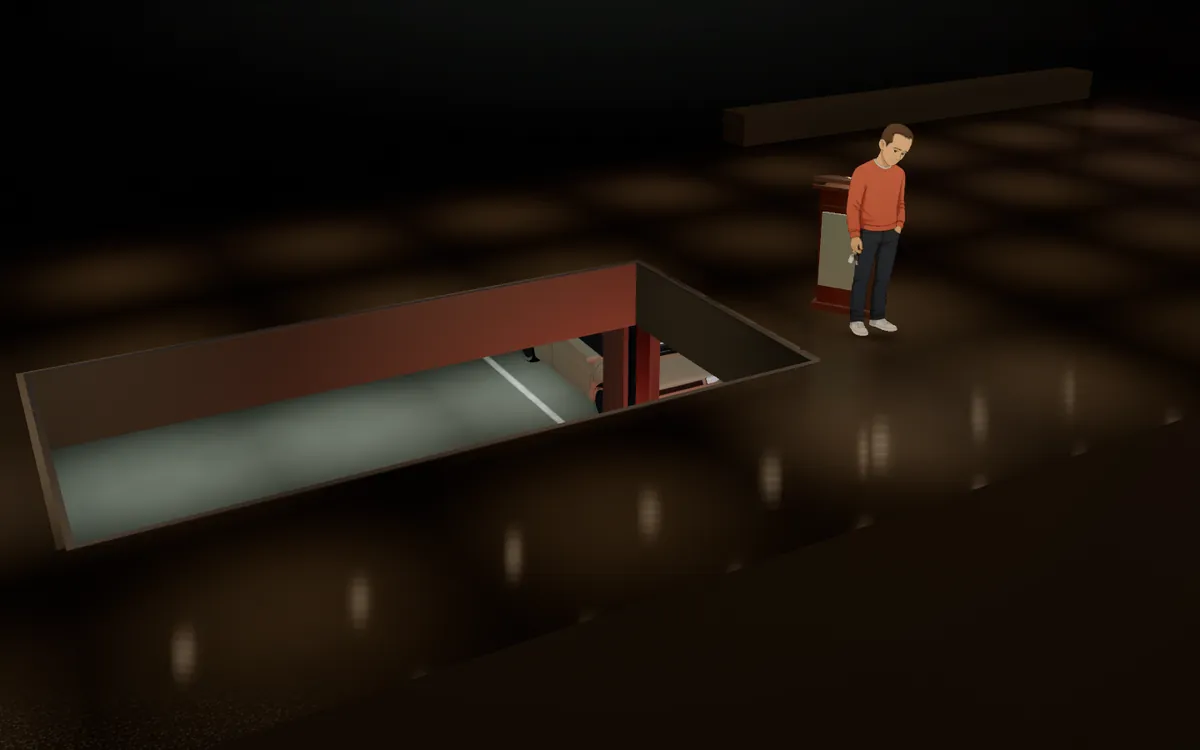
The old Honda
A car says little about its owner
Roger started arriving in an old Honda. An expensive purchase reveals neither the debt behind it nor what is left after it.
Housel calls a high current income rich. Wealth is what stays unspent.
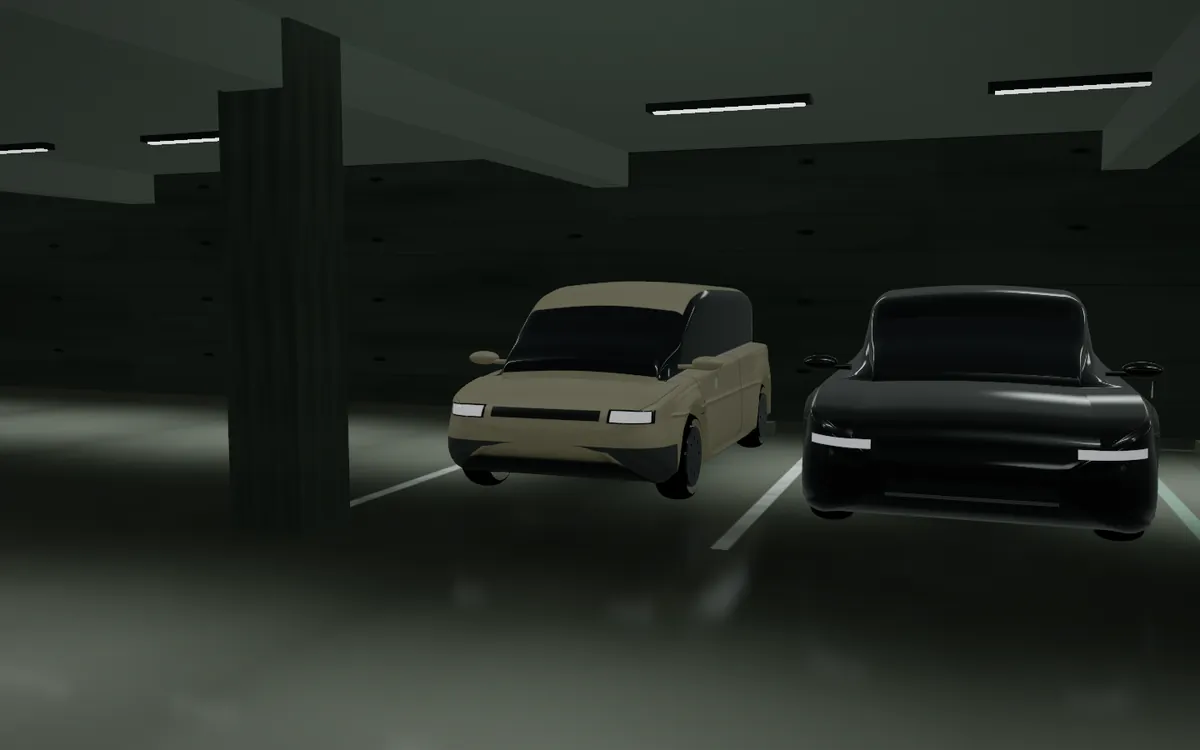
Wealth is what you don't see
Restraint leaves nothing to look at
You see the home someone bought, but rarely the more expensive home they could have afforded and declined.
Spending is visible and restraint passes unnoticed, so quiet wealth is hard to learn by watching other people.
The five questions
In the order the book argues them.
- When the economy changes faster than our expectations, why do money choices that once made sense keep steering us into trouble?Why yesterday's money lessons surviveMorgan Housel traces how shared prosperity made borrowing feel normal, and why those expectations survived the conditions that supported them.
- Once basic needs are covered, how can earning and spending more leave you with less freedom, and what makes enough worth protecting?What your money leaves you free to doHigher pay can support a life with less choice. Morgan Housel asks what enough protects and what savings can buy before retirement.
- When good decisions can lose money and bad ones can win, what evidence should you trust before risking your savings?What a winning result leaves outA gain or a convincing forecast tells only part of the story. Housel asks what chance, changing conditions and desire leave hidden.
- When one crisis could force you to sell, how can holding cash and accepting frequent mistakes help you build wealth over decades?What cash can protectCash and affordable losses can preserve the time investments need. The gains still have to outweigh the failures.
- When your goals and family needs can change, why might a plan that looks less rational on paper be the one you can follow for decades?A plan you can keep, and still changeFamily needs, regret and changing ambitions belong in a financial plan, even when they complicate the arithmetic.
At the stand
Read the five questions
Start with question oneBuy the book
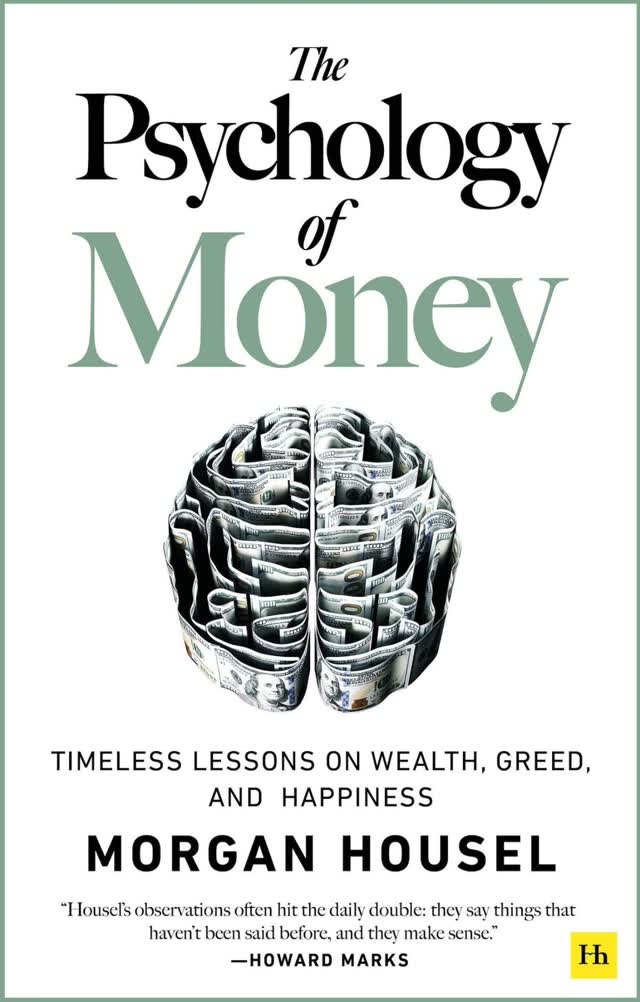
Published by Harriman House. Cover shown to identify the book. Morgan Housel drawn as an editorial caricature.