Finance · 12
The Most Important Thing
Howard Marks
The price you pay decides the risk you take, and markets are riskiest when everyone feels safe.
One tide in a small harbor. Five questions, each answered in a short piece to read or hear.
The five questions
In the order the book argues them.
The five questions
In the order the book argues them.
High water
What it is, and what it costs
An excellent company can be a disappointing investment when its buyers have already paid for even more success. Marks asks what the price already assumes.
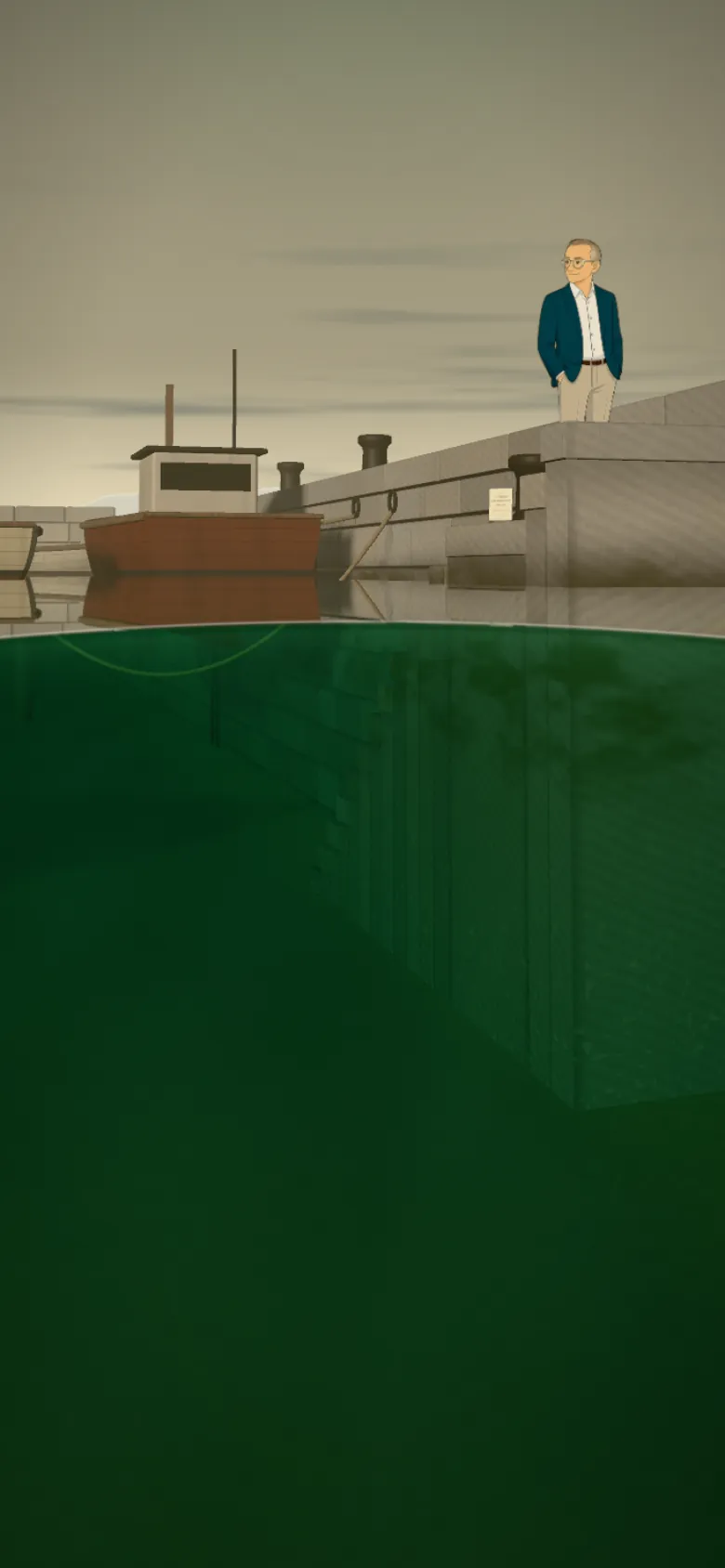
Above, the surface shows the sky. Below, every hull shows how it sits.
The top of the tide
More dangerous while it feels safer
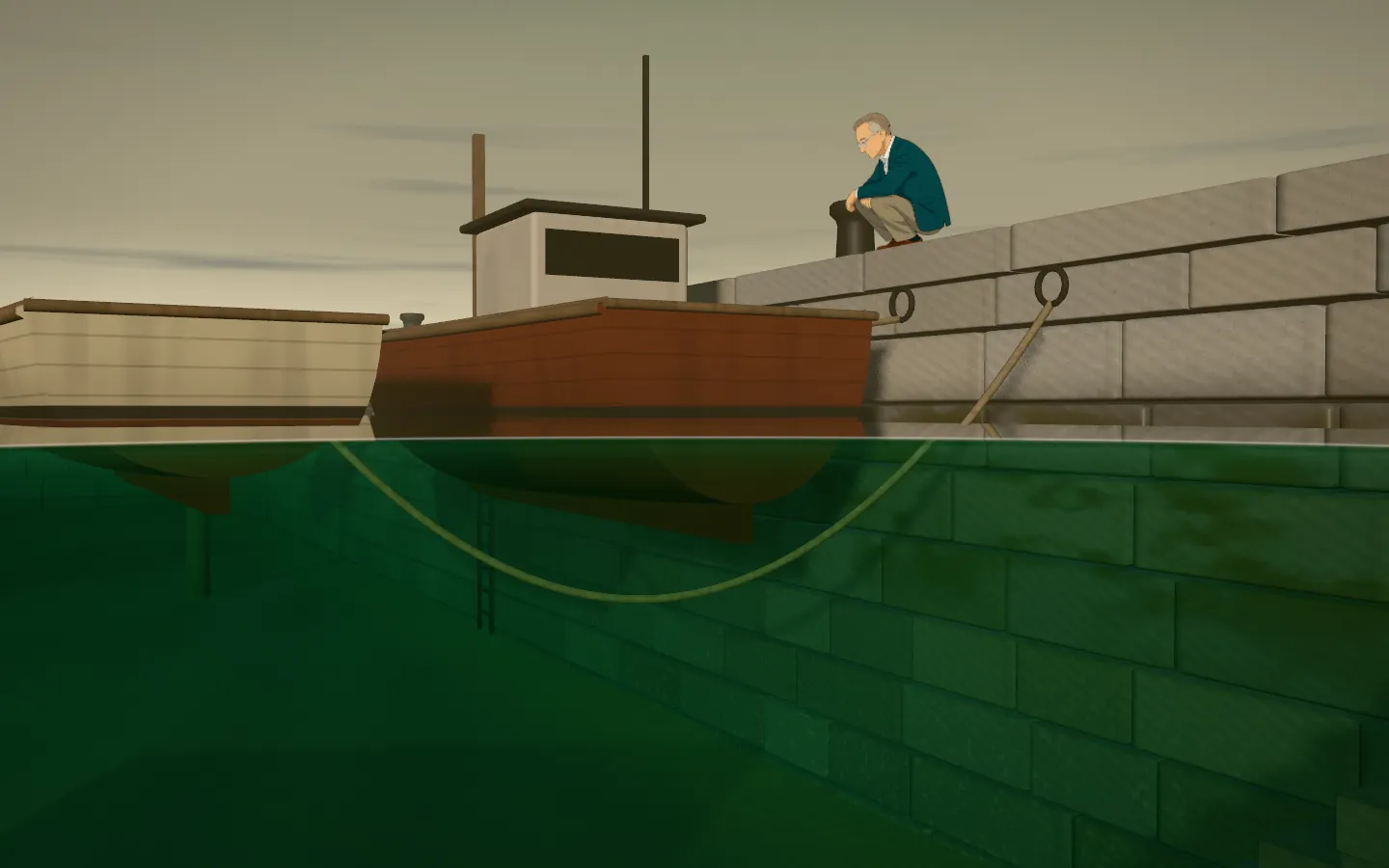
When confidence pushes prices up and standards down, investors give up the protections that made earlier investments safer.
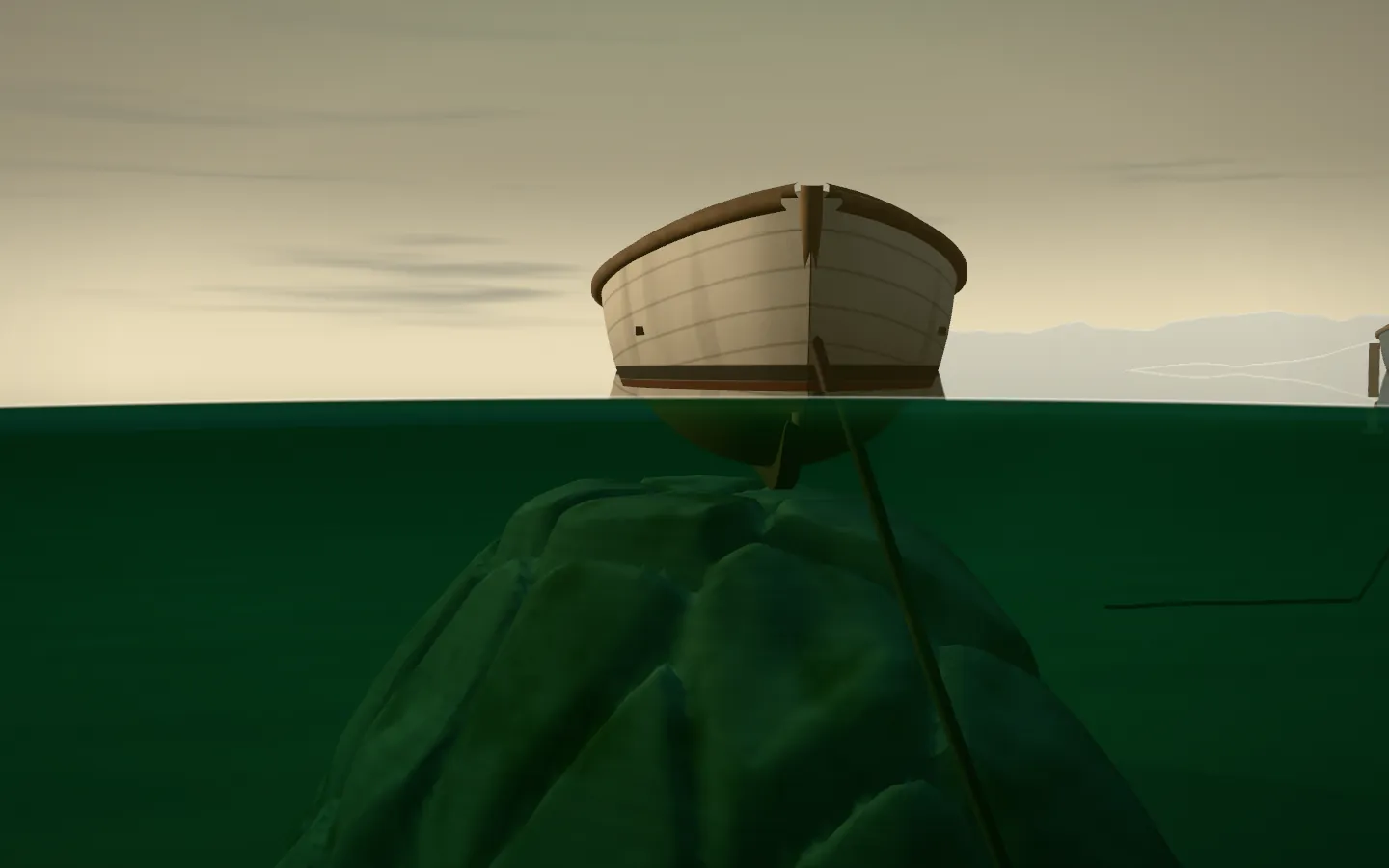
Full water hides the ledge a hand's width under the keel.
The ebb
Room for an imperfect judgment
A strategy can run out of capital in a bad run, before its long-run average is any use. Marks starts with the loss you could bear.
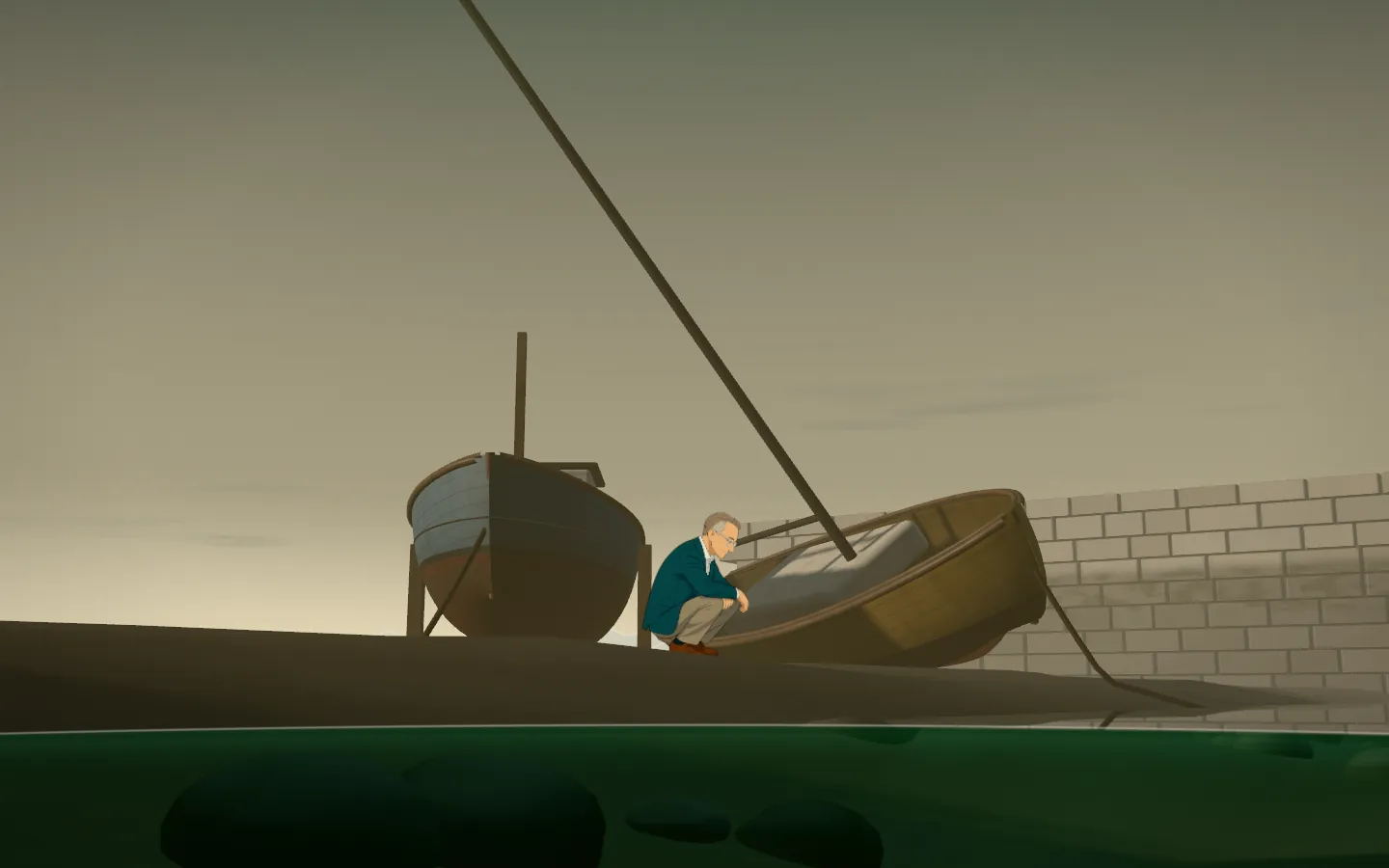
One boat stands on its legs. The other lies over.
Low water
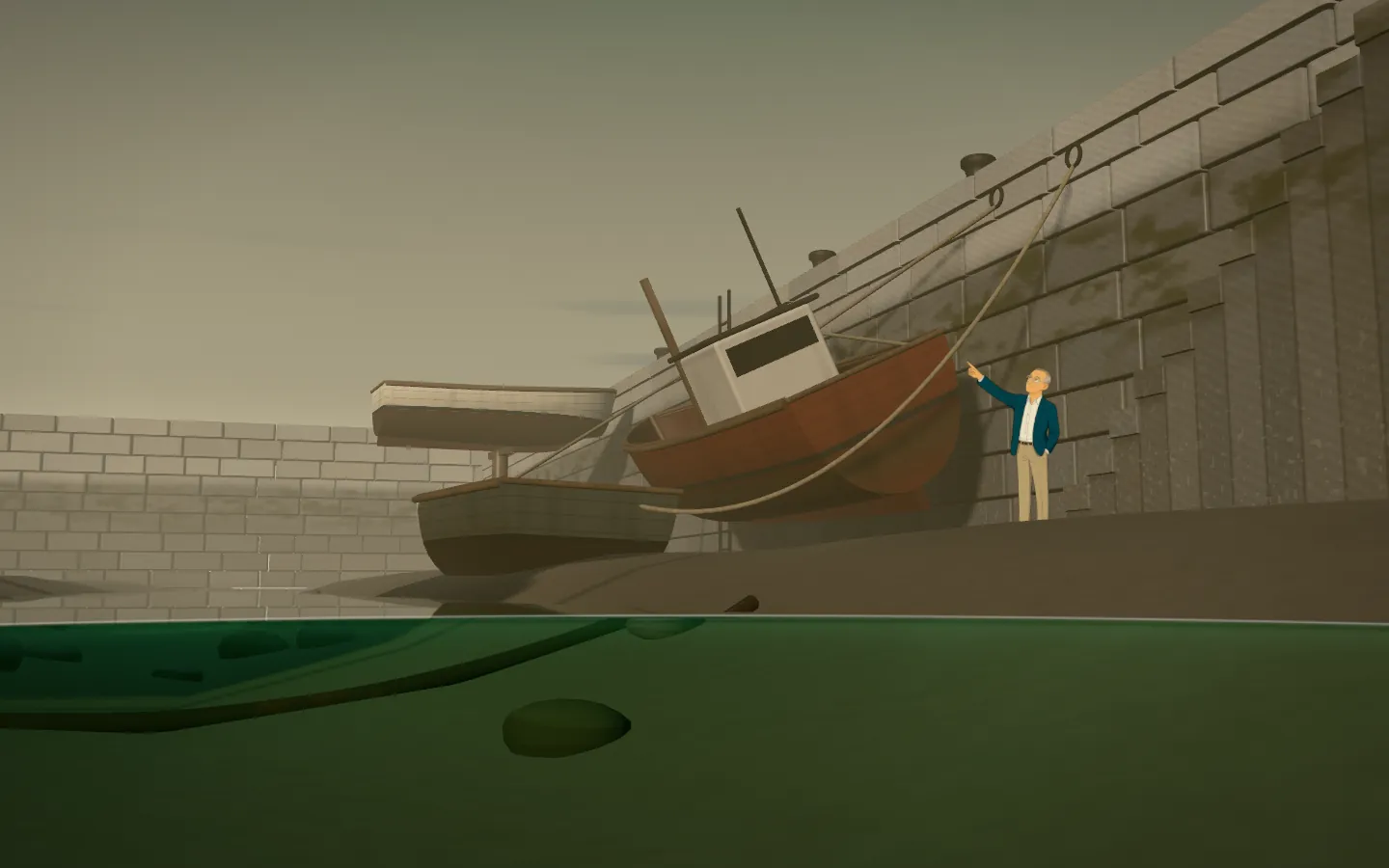
Who has to sell
In late 2008, loans bought with borrowed money needed more collateral below 85 cents. Owners who could not pay were sold out, and the next year much of that paper rose sharply.
Tied short, one boat hangs from its lines. On slack lines, its neighbor waits.
Still low water
Even steadiness needs an explanation
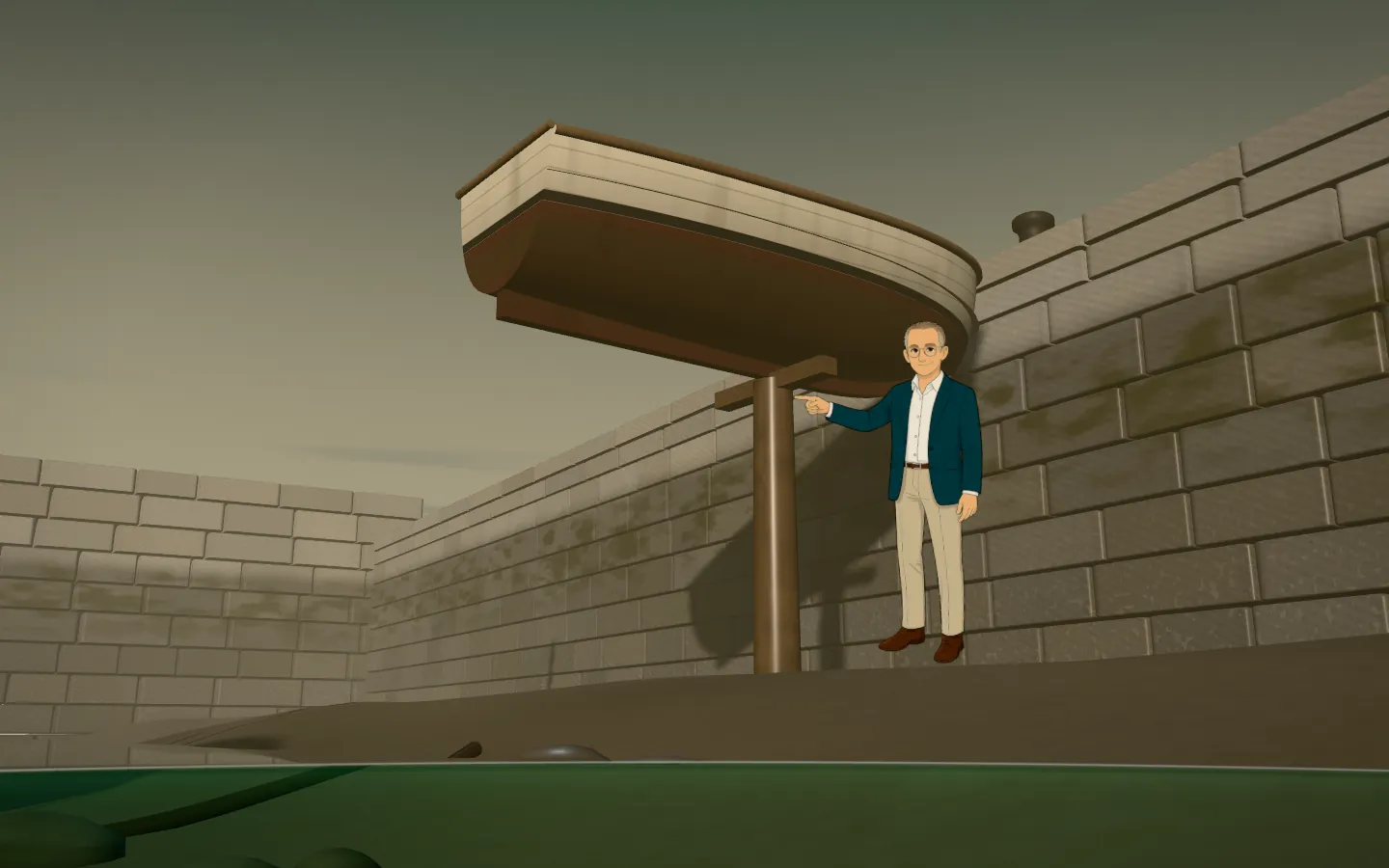
Madoff claimed about ten percent a year with remarkably few losing months. Real markets reach a similar average through bad years too.
One boat never moved with the water. It stands on a post.
The flood
Subtract the market's contribution
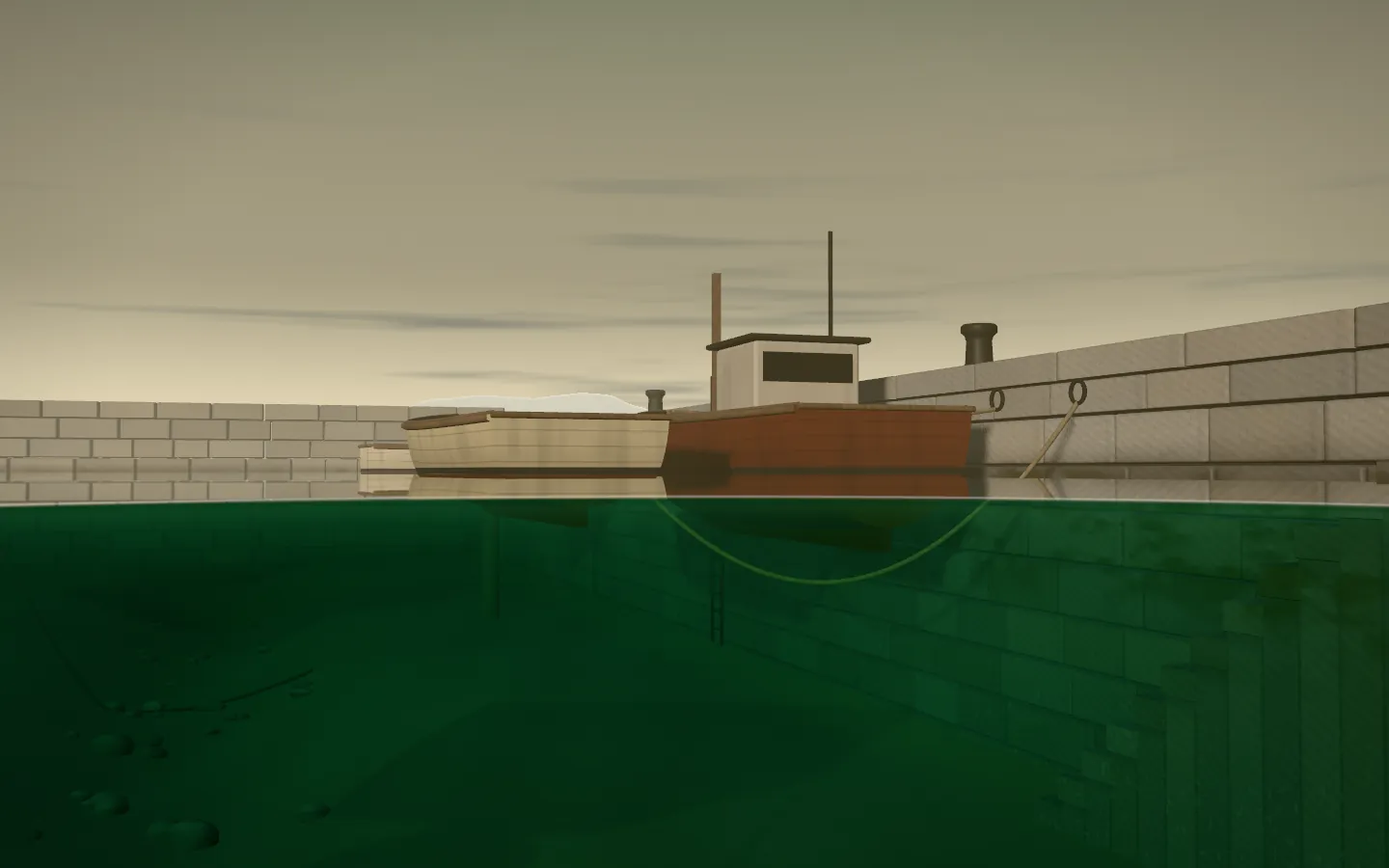
If the market gains fifteen percent, a portfolio with a beta of 1.2 should gain eighteen. The extra three points need not show any judgment.
The flood lifts both boats alike, however they were tied.
High water again
The calm is back
Present conditions can justify caution without revealing when a market will turn.
Start with question oneBuy the book
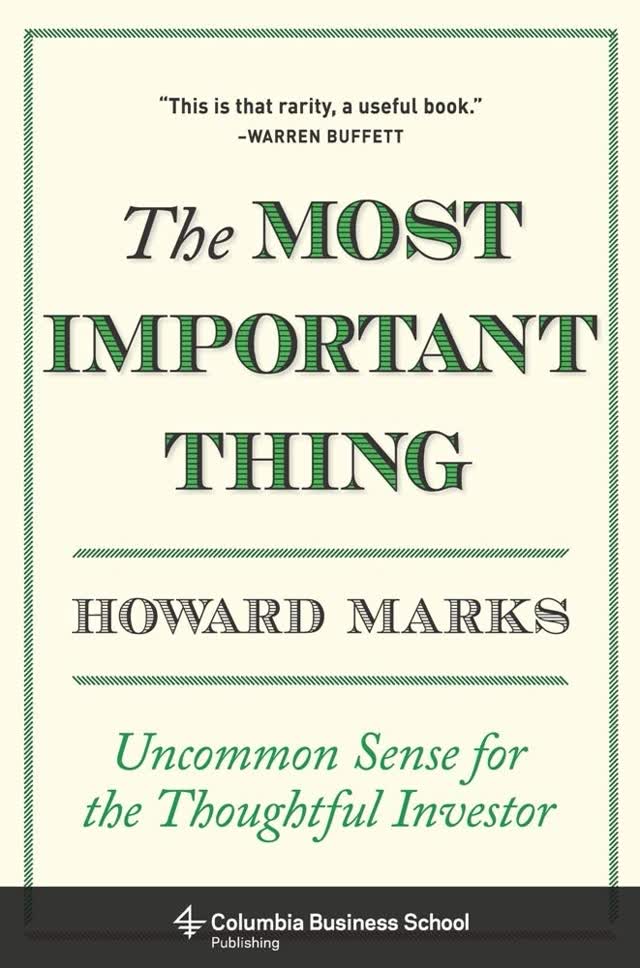
Published by Columbia Business School Publishing. Cover shown to identify the book. Howard Marks drawn as an editorial caricature.